Your Cart is Empty


Tourmaline
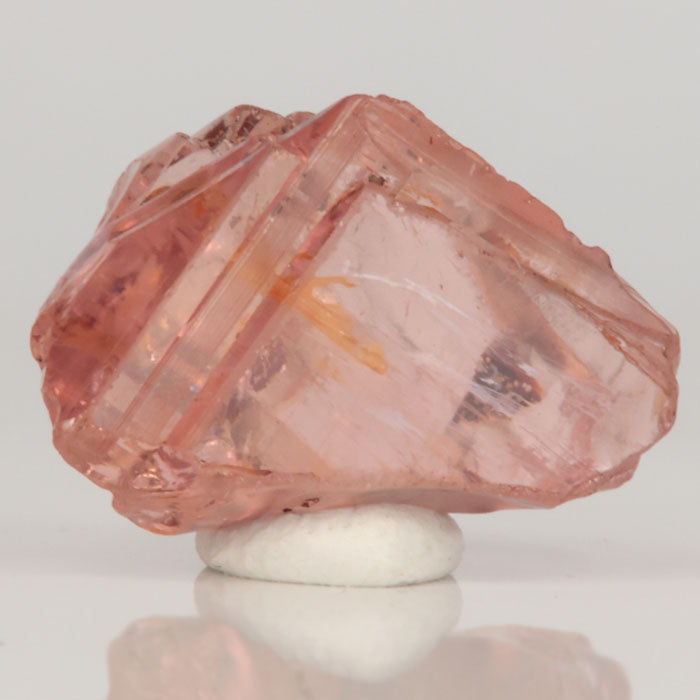
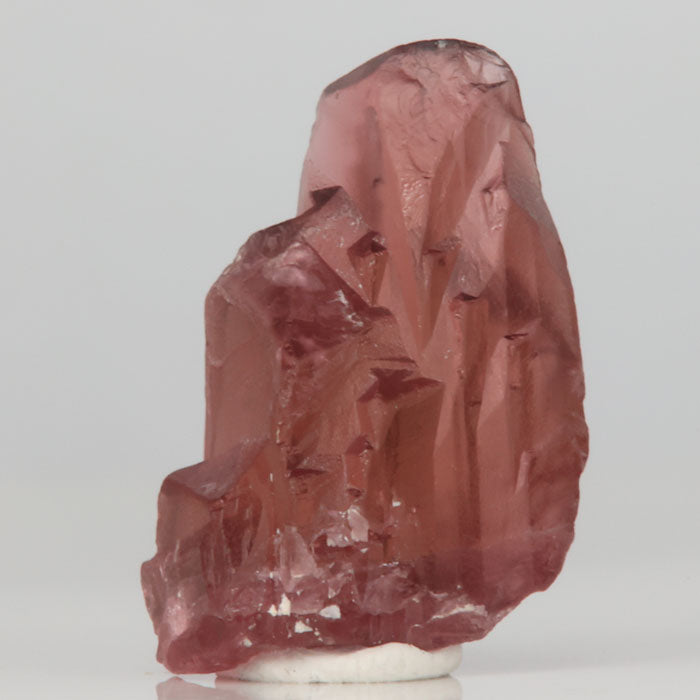
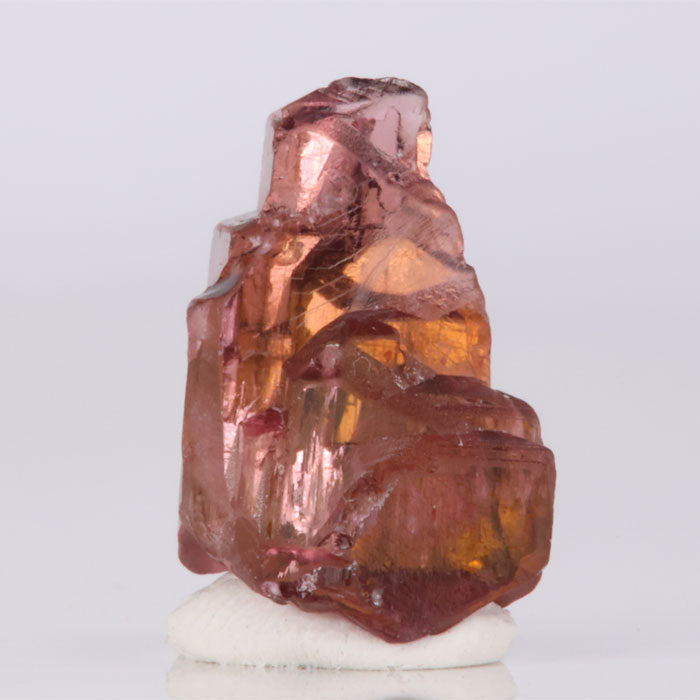
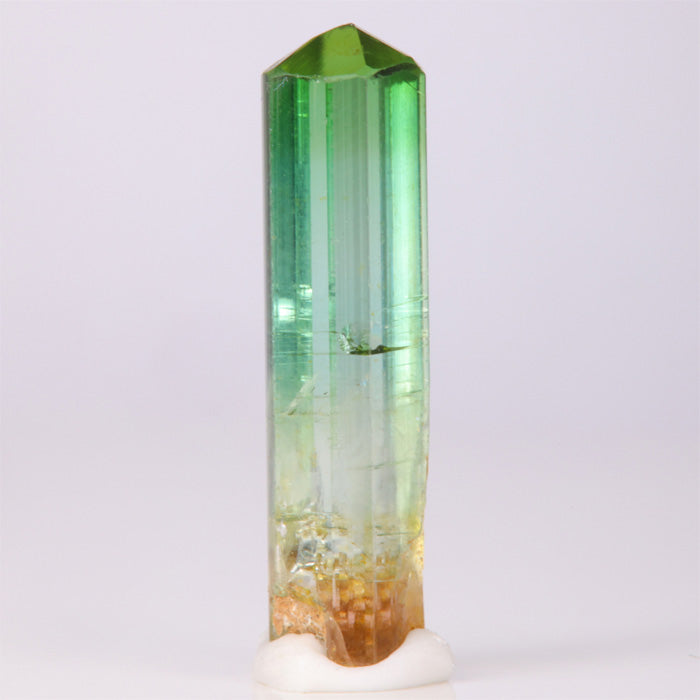
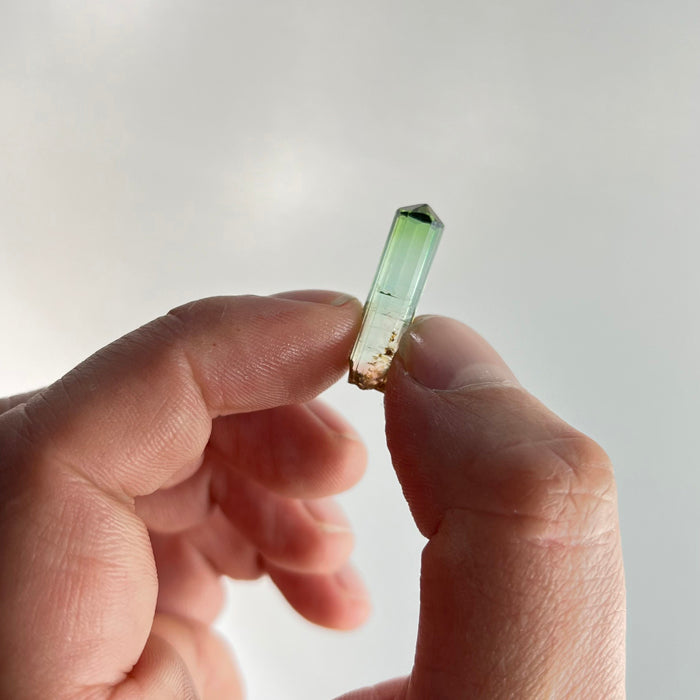
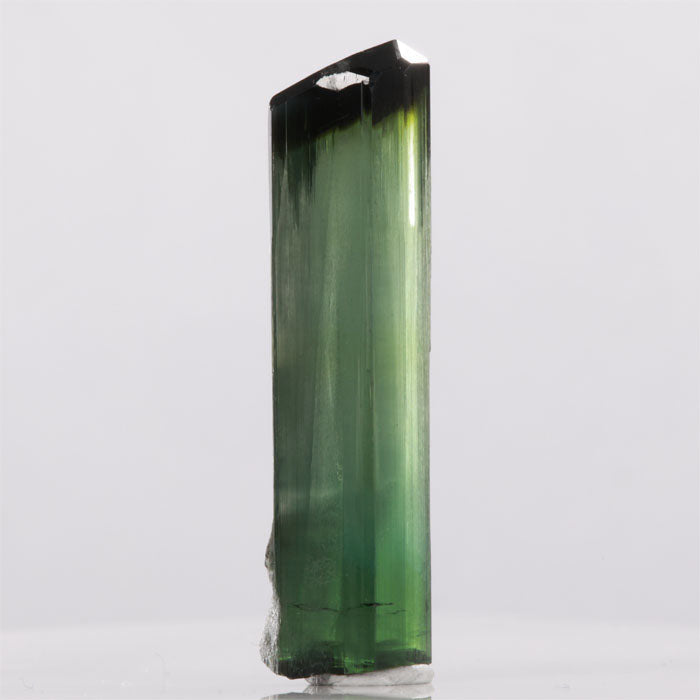
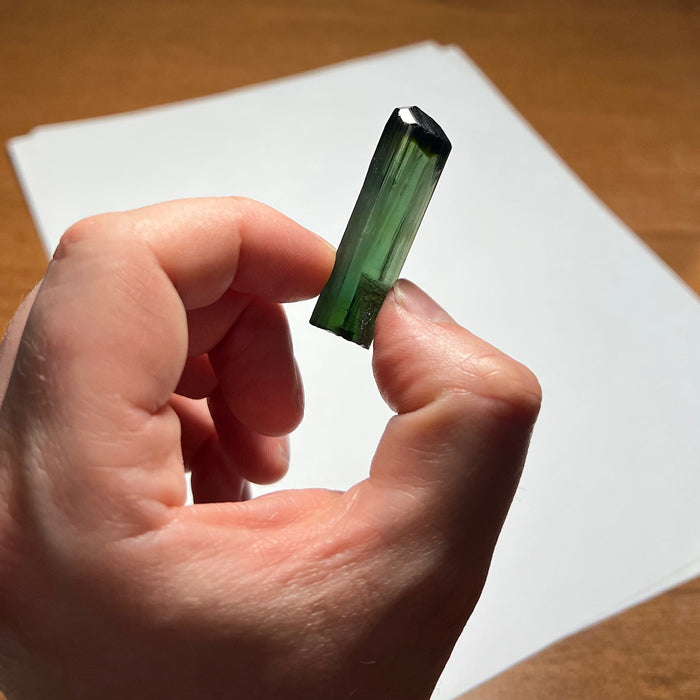
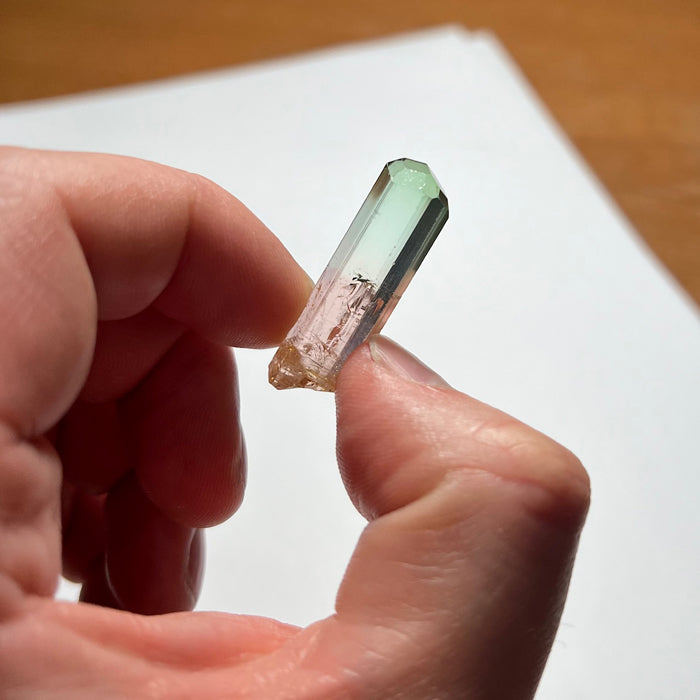
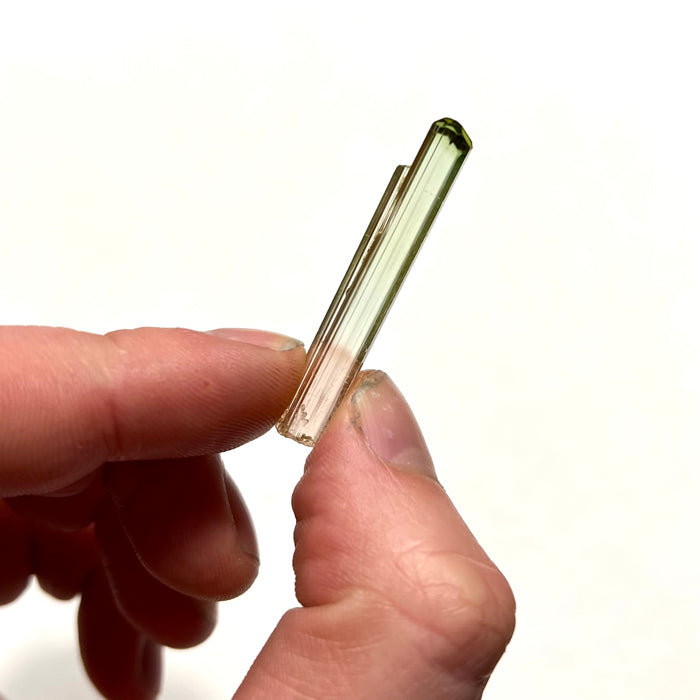
Tourmaline is a complex boron silicate mineral group that forms in the trigonal crystal system, typically growing in elongated prismatic crystals with natural terminations. It’s known for having one of the widest color ranges of any mineral, including rich green tourmaline, blues, pinks, reds, and some really interesting bi-color and tri-color crystals. This range of color comes from its variable chemical makeup, where elements like lithium, iron, and magnesium shift within the structure,producing everything from deep green tourmaline crystals to multi-colored specimens.
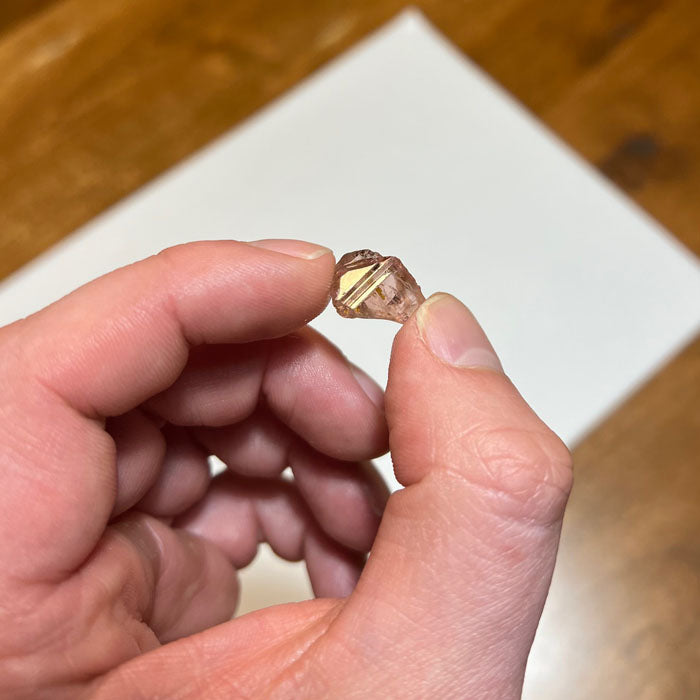
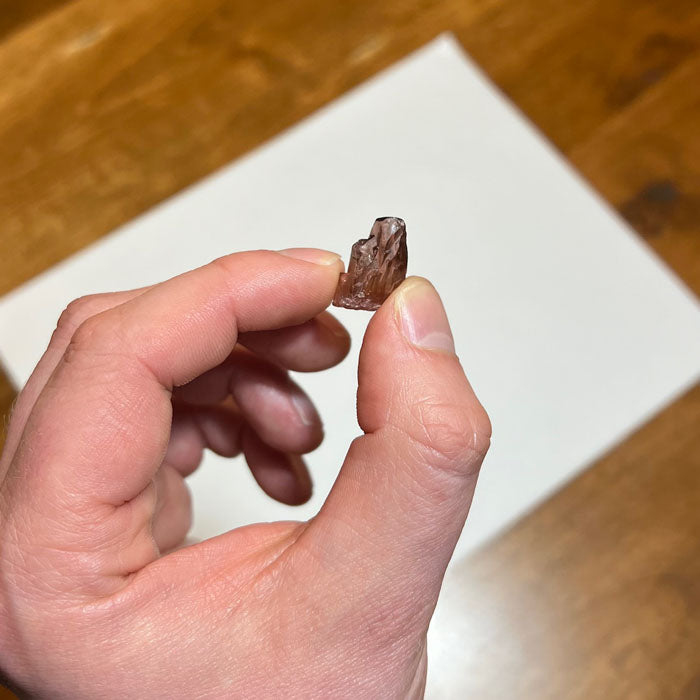
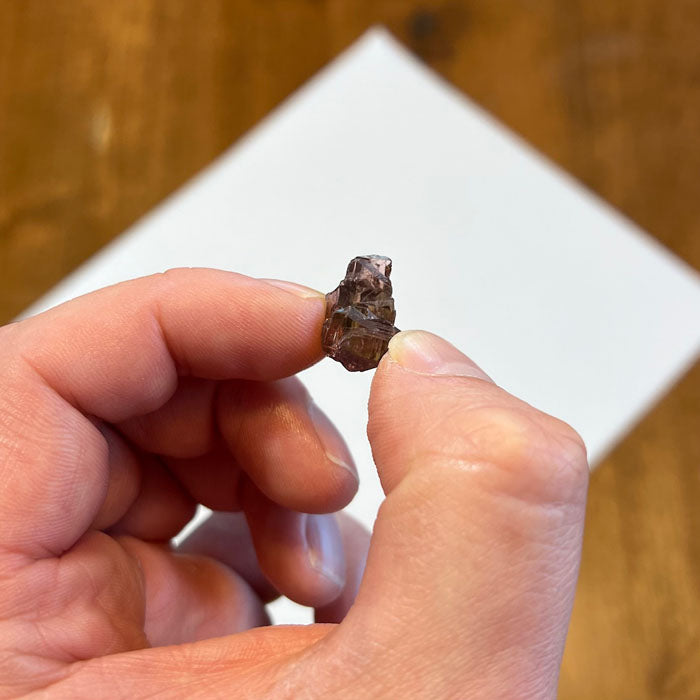
Tourmaline crystals and gem rough are found in many locations around the world, with some of the most well-known sources including USA, Congo, Brazil, Afghanistan, Tanzania, and Madagascar. A lot of the crystals form in pegmatite deposits, where slow cooling allows for the growth of larger, well-formed crystals. You’ll find my selection of tourmaline in a variety of forms including individual crystals, crystal pairs, natural sets, and cabinet specimens, with some material being clean enough for facet rough or custom jewelry use.
Tourmaline belongs to the silicate mineral class, more specifically a boron-bearing cyclosilicate, which is what gives it its complex structure and ability to form in such a wide range of colors and crystal habits. A lot of the material you’ll see here shows strong natural crystal structure, good clarity, and really nice color zoning, which is exactly what collectors and cutters tend to look for.
*Tourmaline is generally durable, but care should be taken to avoid hard impacts, as some crystals can be brittle depending on their structure and internal inclusions.
Other notable information on Tourmaline
Refractive index: 1.61–1.64
(refractive index or index of refraction of a material is a dimensionless number that describes how light propagates through that medium)
Specific gravity: 3.0–3.3
(specific gravity is the ratio of the density of a substance to the density of a reference substance; equivalently, it is the ratio of the mass of a substance to the mass of a reference substance for the same given volume)
Moh’s scale: 7–7.5
(scale of hardness running from 1 to 10 using a series of reference minerals; position on scale depends on the ability to scratch minerals rated lower)