Your Cart is Empty


Garnet
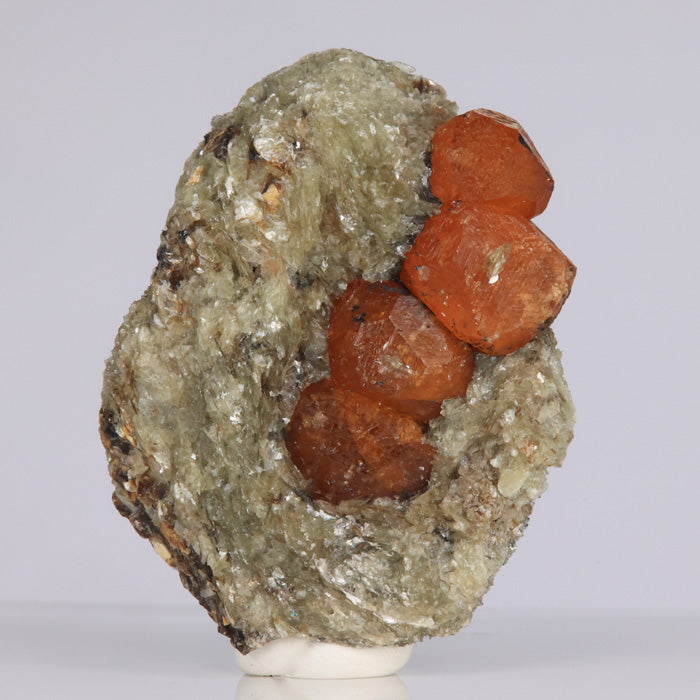
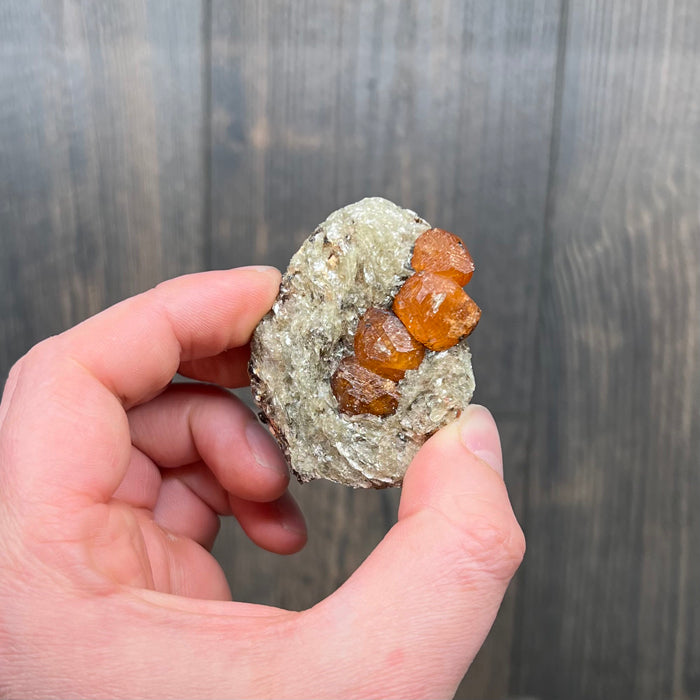
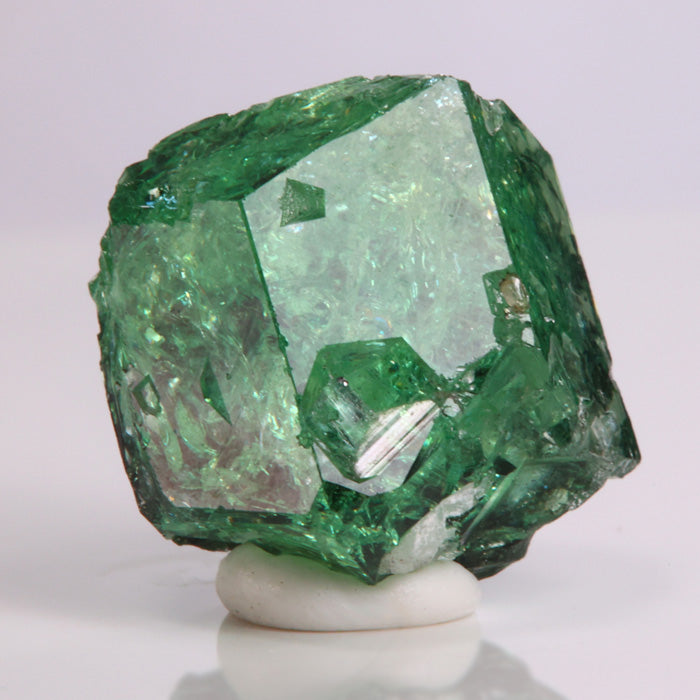
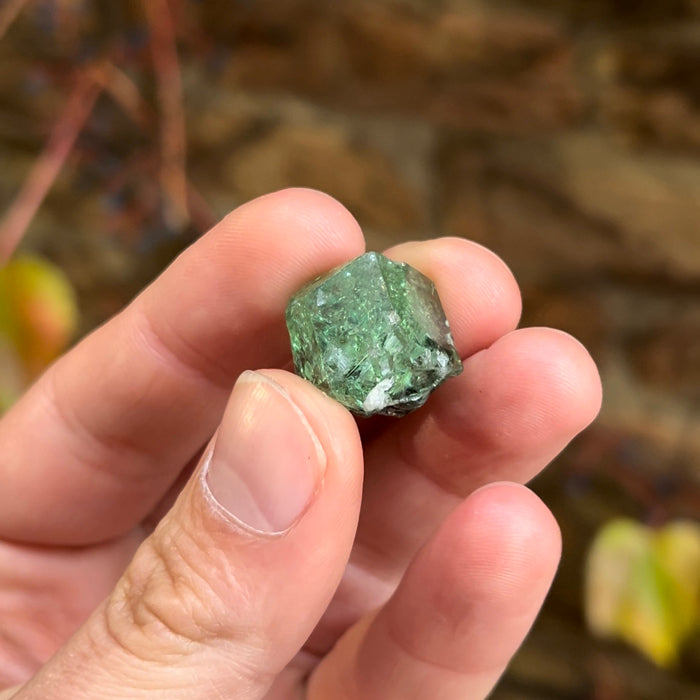
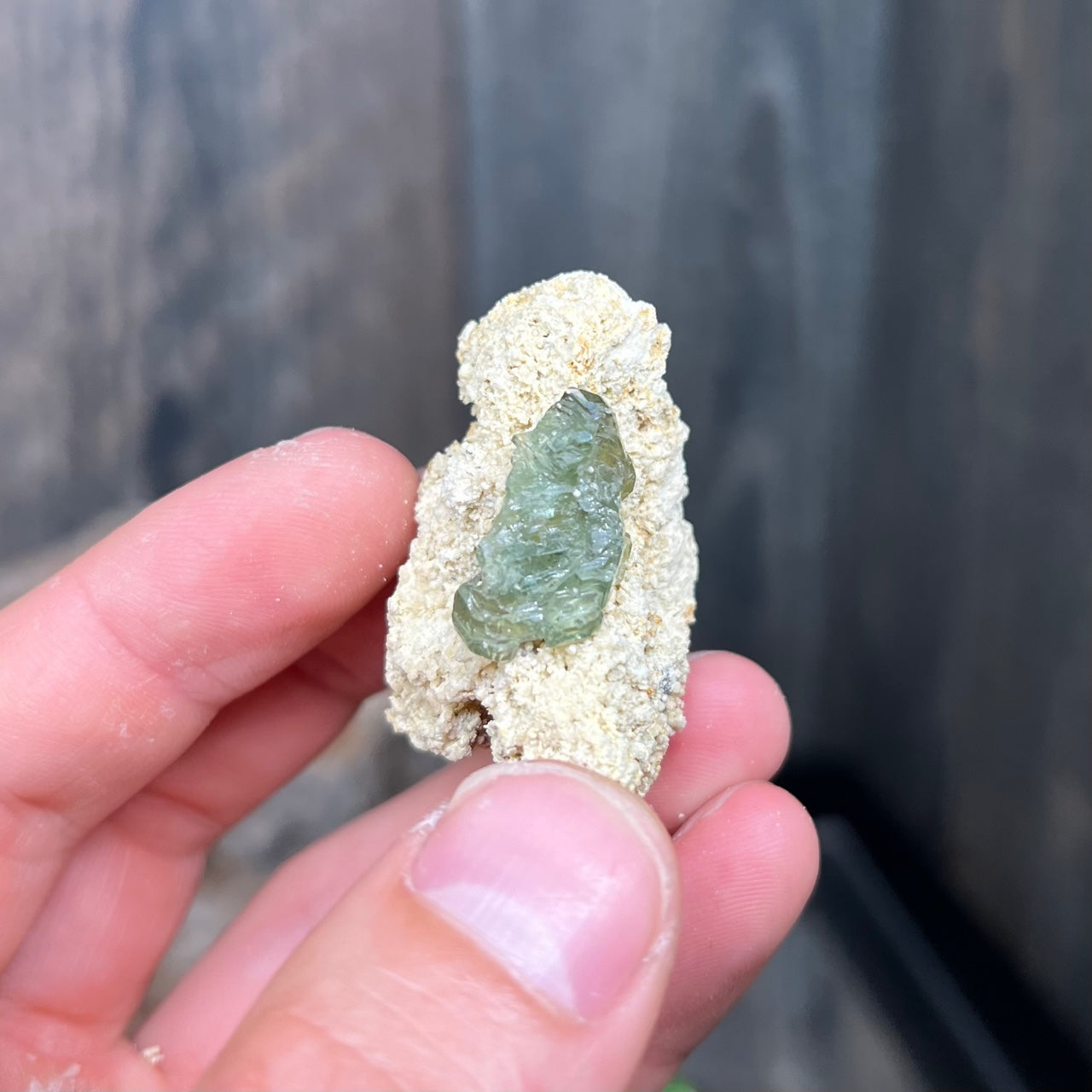
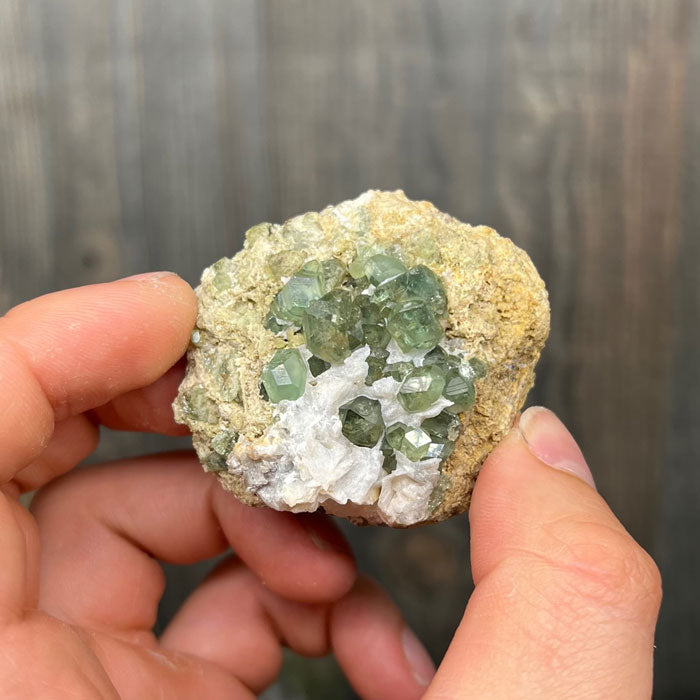
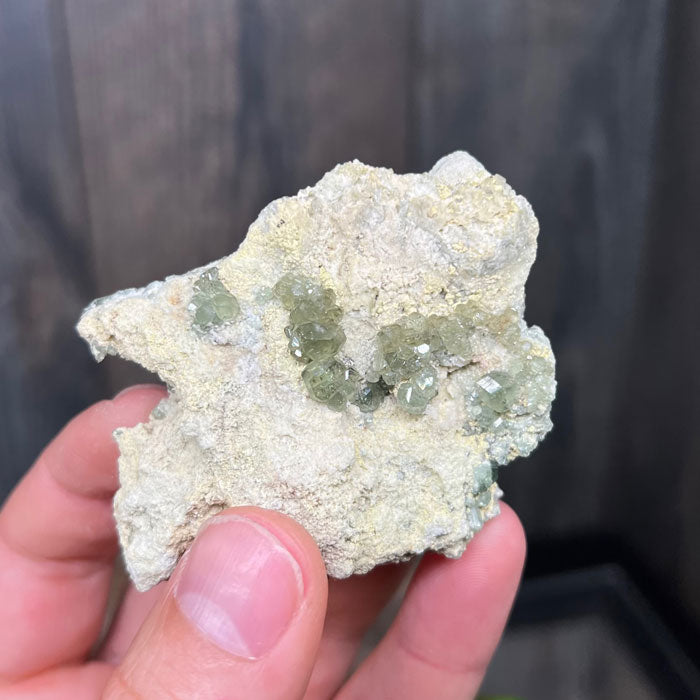
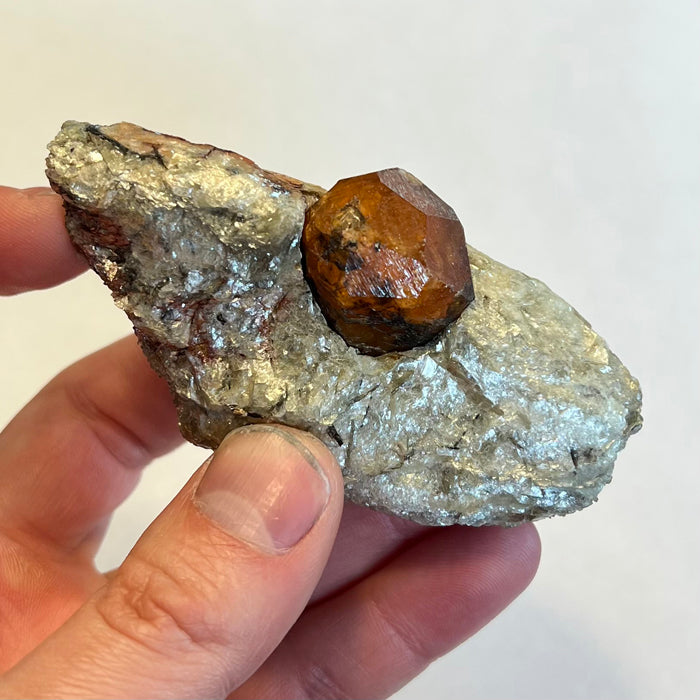
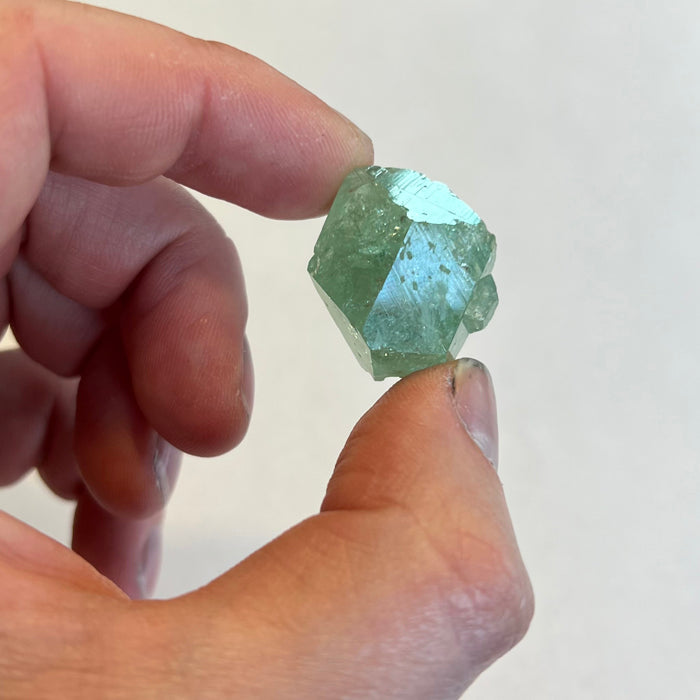
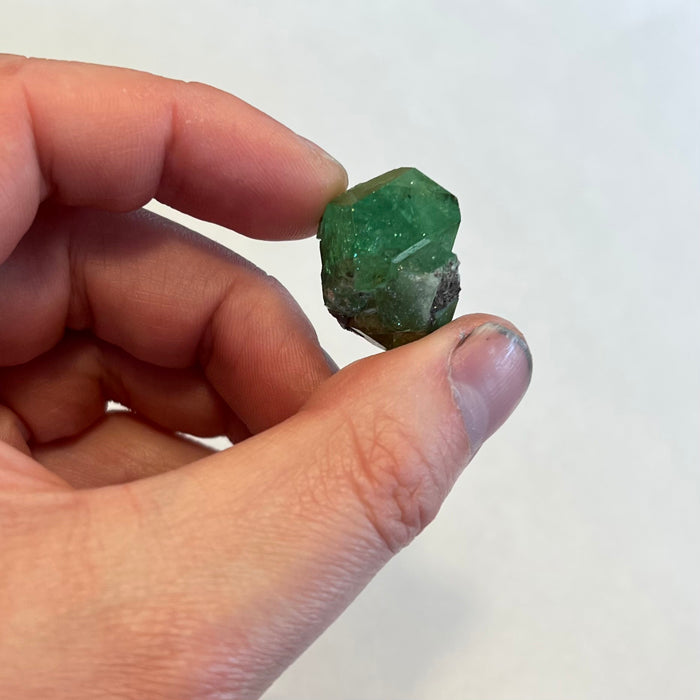
Garnet is a group of silicate minerals that form in the isometric (cubic) crystal system, often growing as well-defined, symmetrical crystals. It’s most commonly known for its deep red colors, but garnet actually comes in a wide range including reds, oranges, greens, yellows, and even rare color-change varieties. Different types like almandine, pyrope, spessartine, and grossular all fall under the garnet group, with color depending on the specific chemical composition. Typically the most valuable colors of garnets have been the color change variety, green garnets, and the relatively new Malaya garnets. Spessartite garnet has also been gaining popularity due to it's intense orange colors.
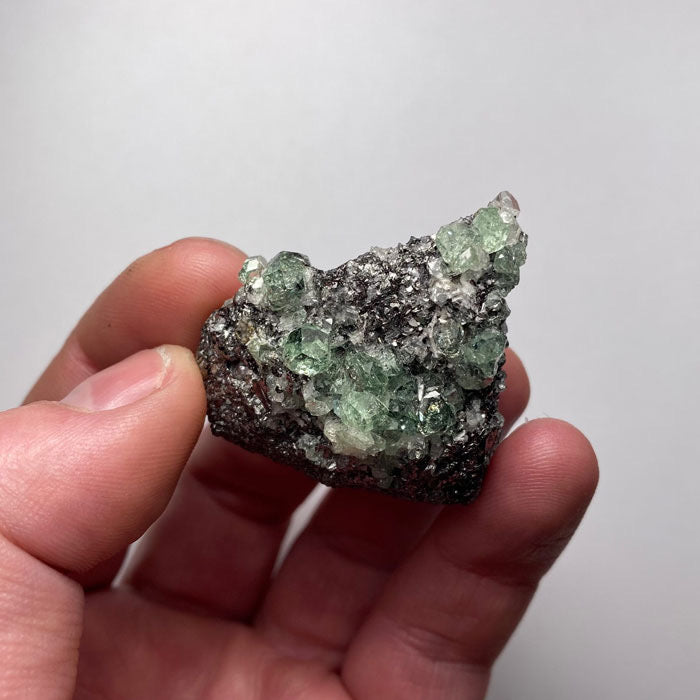
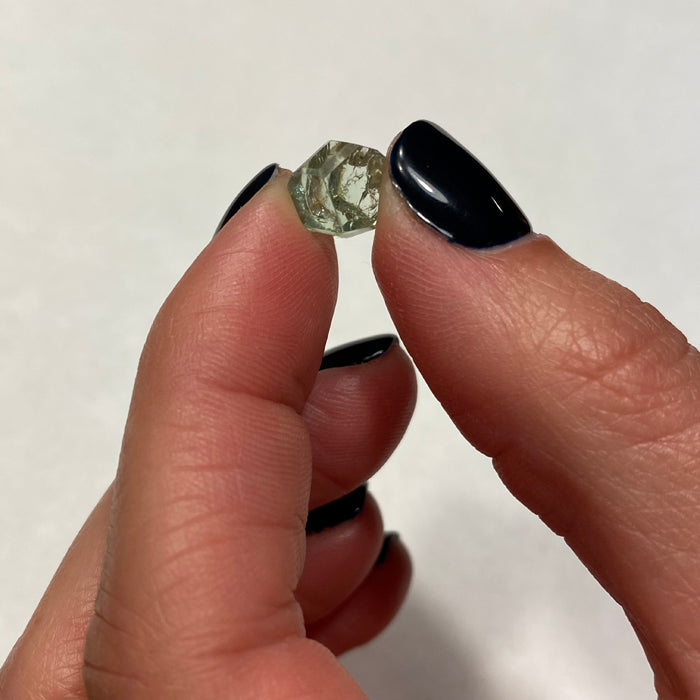
Garnet crystals and gem rough are found in many locations around the world, with some of the most well-known sources including Tanzania, Kenya, Madagascar, China, and the United States. Garnet commonly forms in metamorphic and igneous environments, and is often found as individual crystals, crystal clusters, and in matrix, with many pieces being clean enough for facet rough / jewelry use.
Garnet belongs to the silicate mineral class, and has a general chemical formula of X₃Y₂(SiO₄)₃, where different elements like iron, magnesium, manganese, and calcium shift within the structure — creating the wide range of colors and varieties. A lot of the material you’ll see here has strong natural crystal shape, good color, and gemmy (translucency), which is what collectors tend to look for.
*Garnet is a durable mineral, but like most natural crystals, care should be taken to avoid hard impacts that could cause chipping or damage.
Other notable information on Garnet
Refractive index: 1.72–1.89
(refractive index or index of refraction of a material is a dimensionless number that describes how light propagates through that medium)
Specific gravity: 3.5–4.3
(specific gravity is the ratio of the density of a substance to the density of a reference substance; equivalently, it is the ratio of the mass of a substance to the mass of a reference substance for the same given volume)
Moh’s scale: 6.5–7.5
(scale of hardness running from 1 to 10 using a series of reference minerals; position on scale depends on the ability to scratch minerals rated lower)