Your Cart is Empty


Diopside
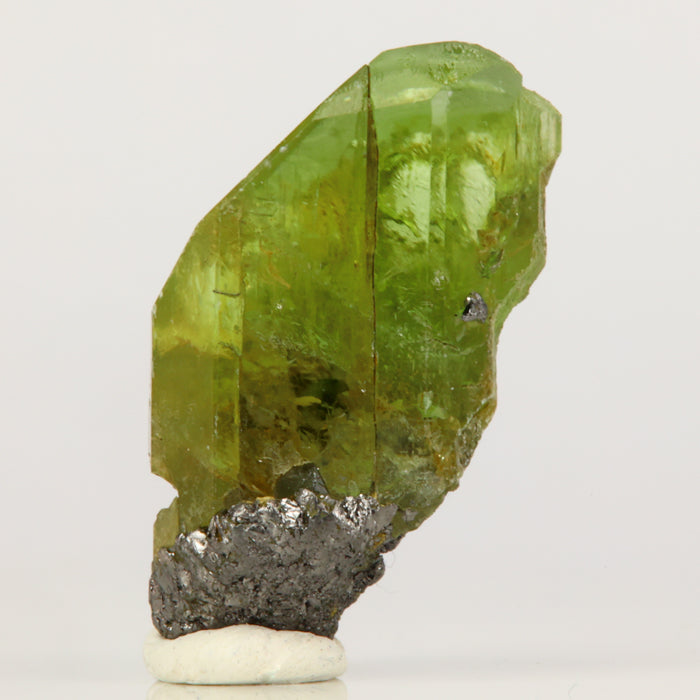
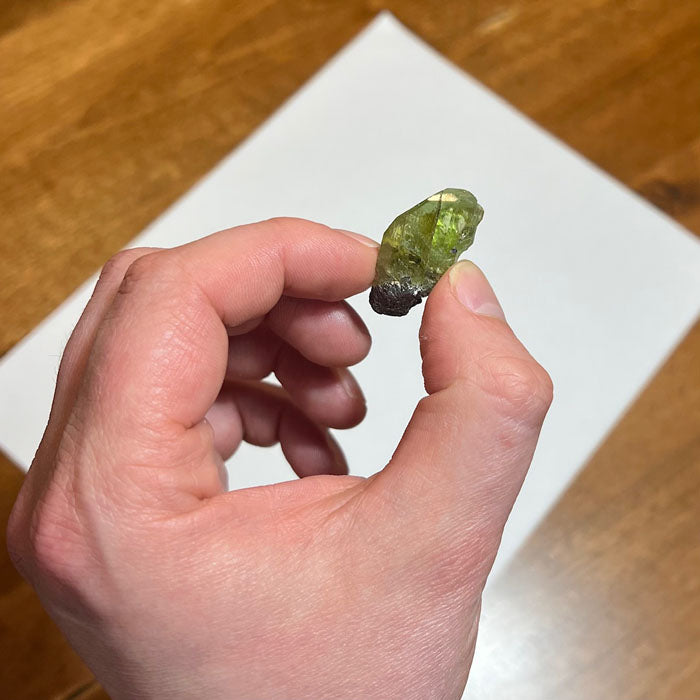
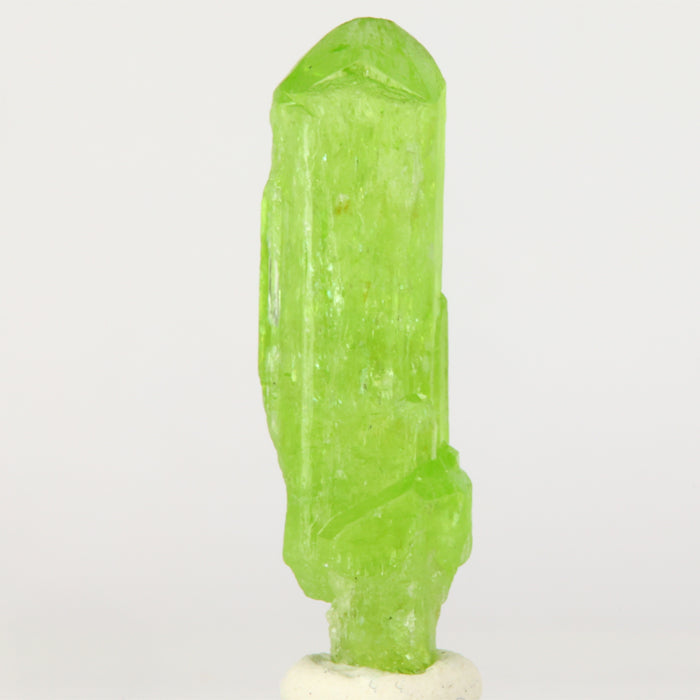
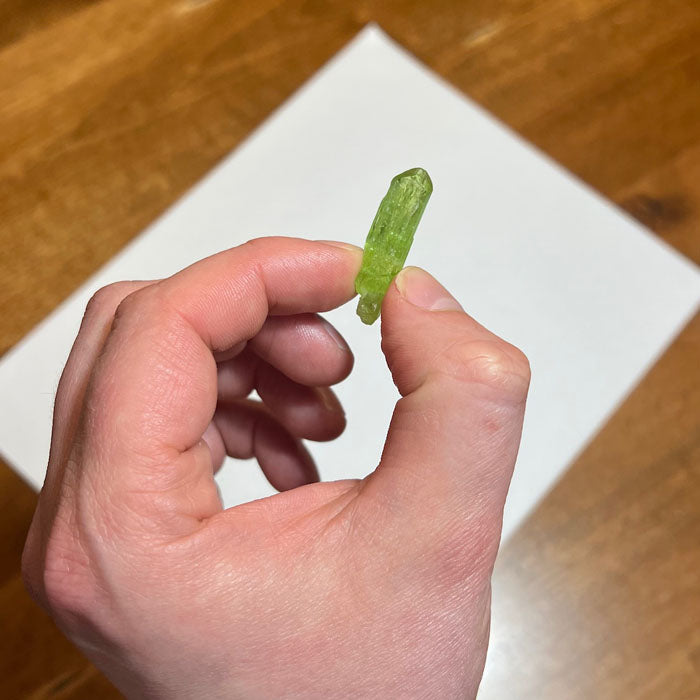
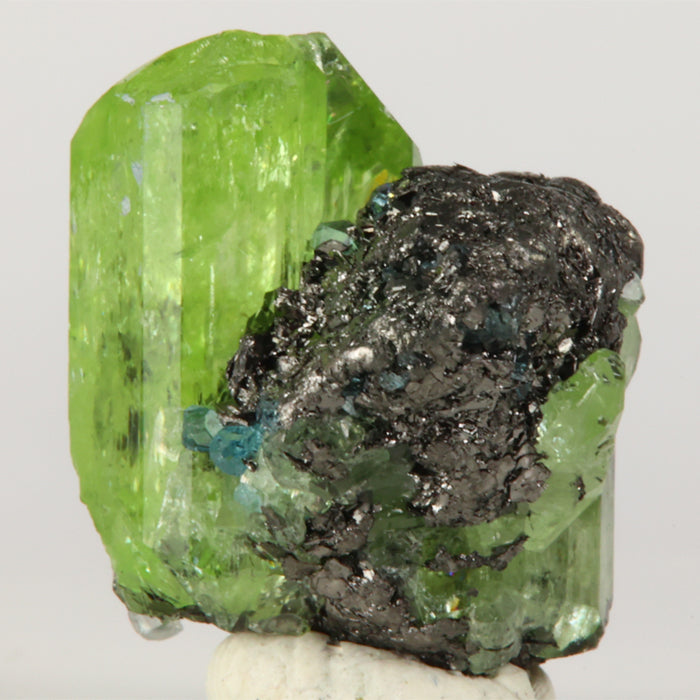
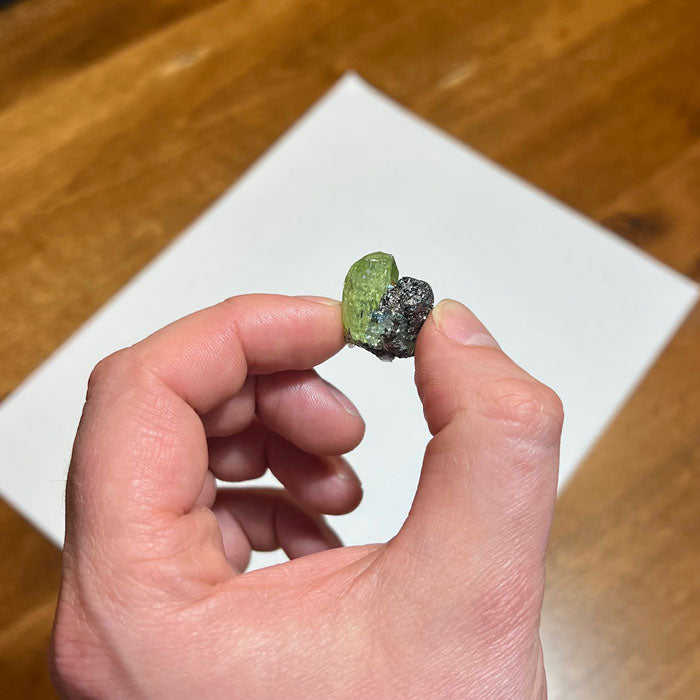
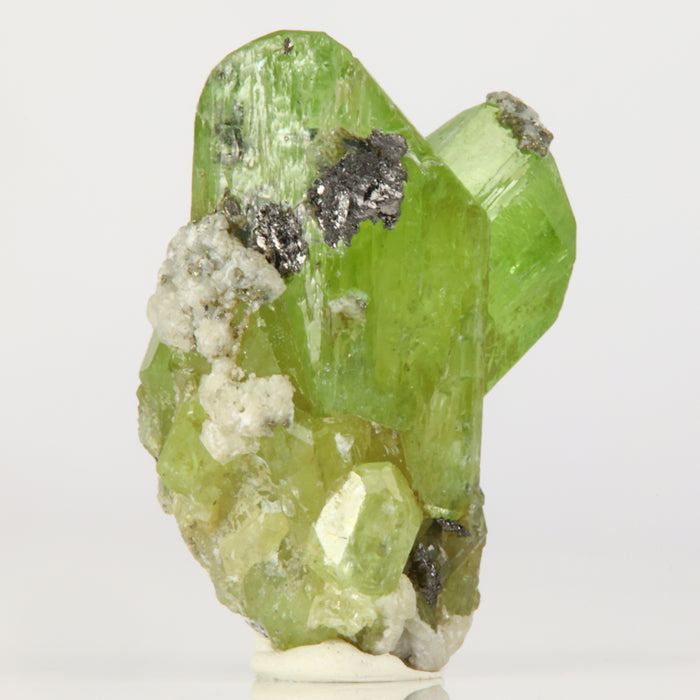
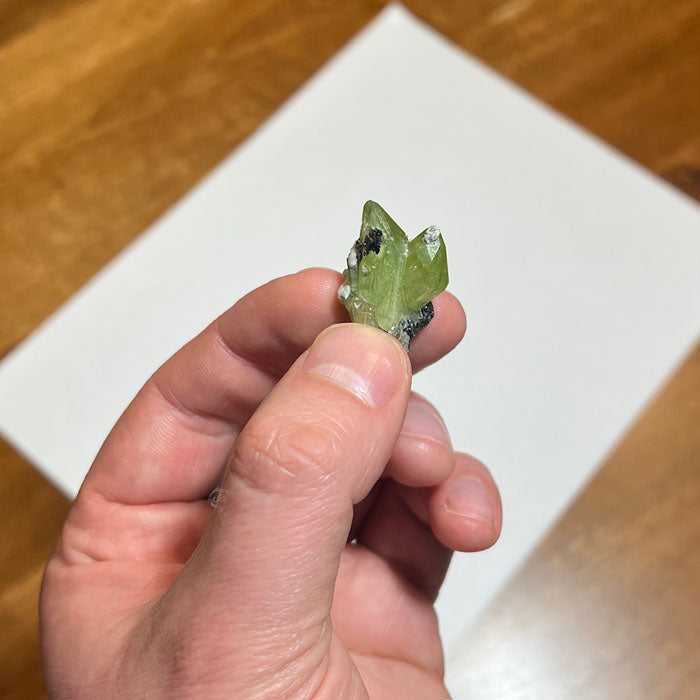
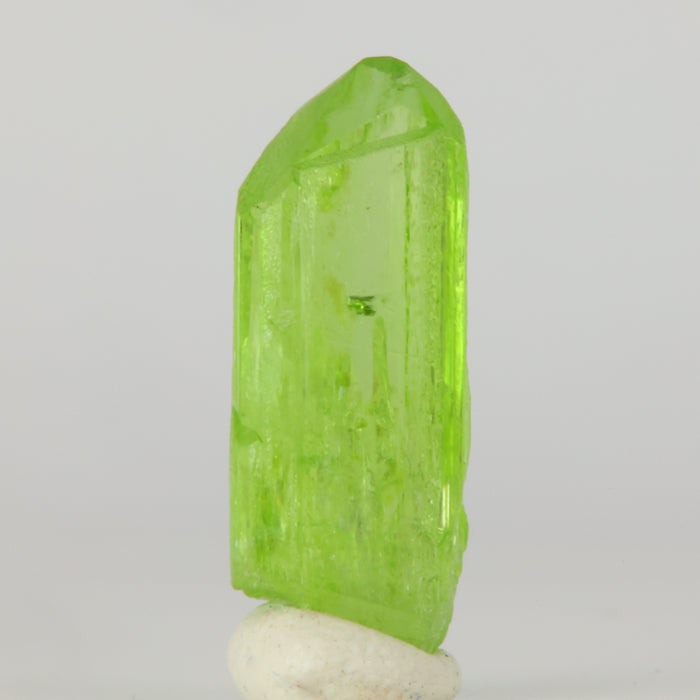
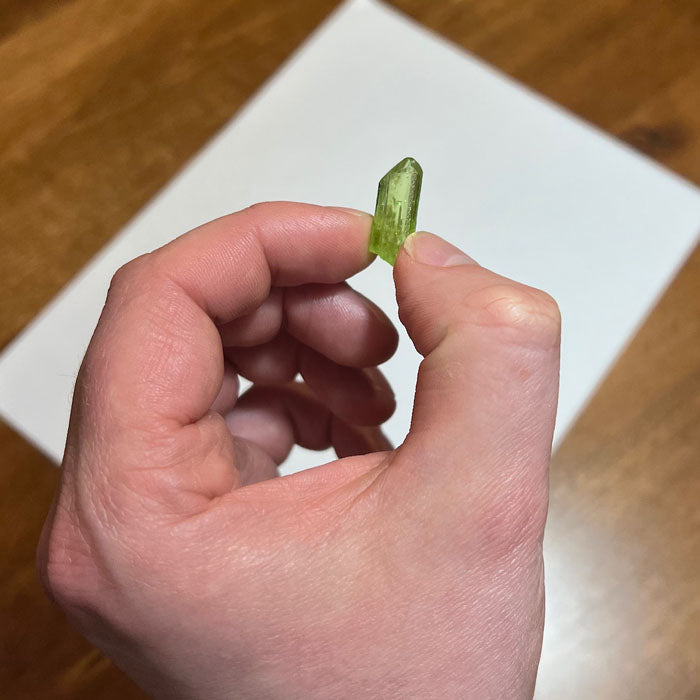
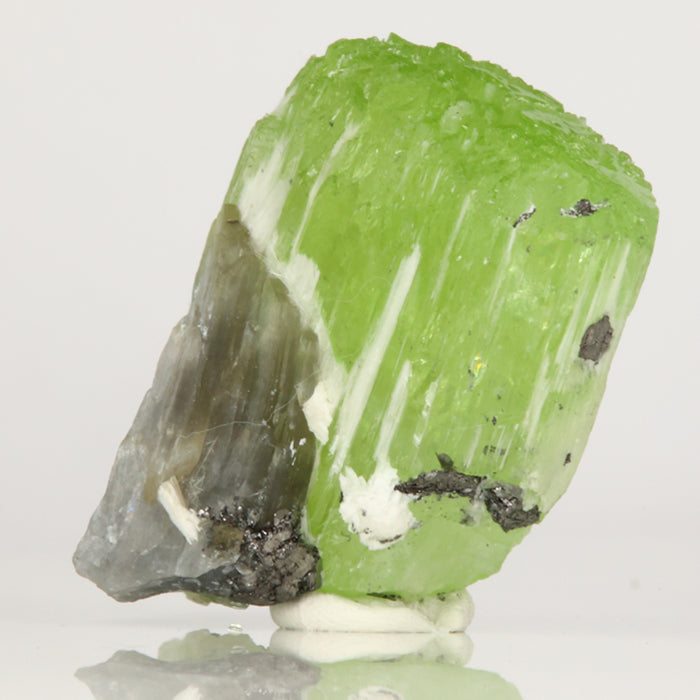
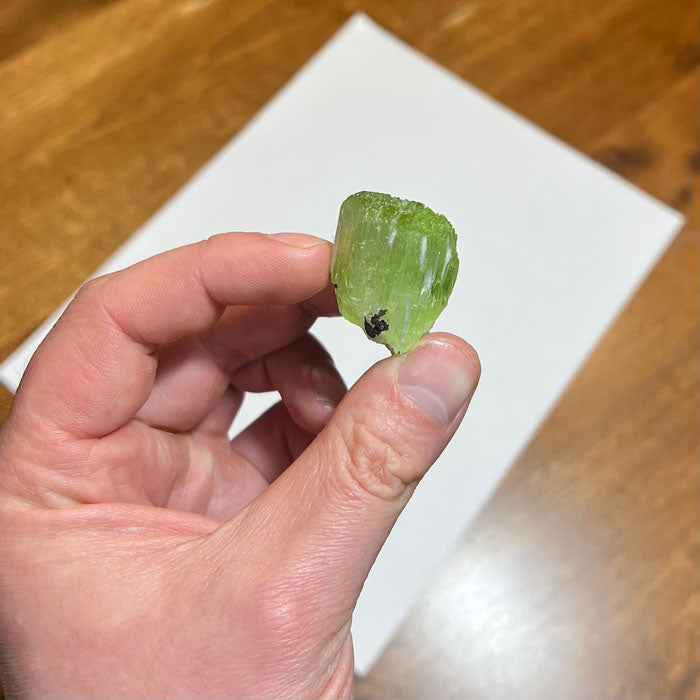
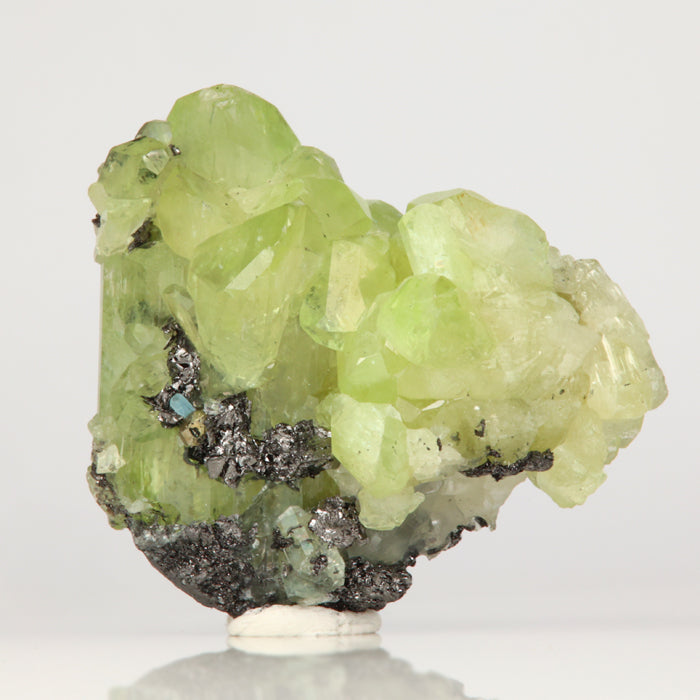
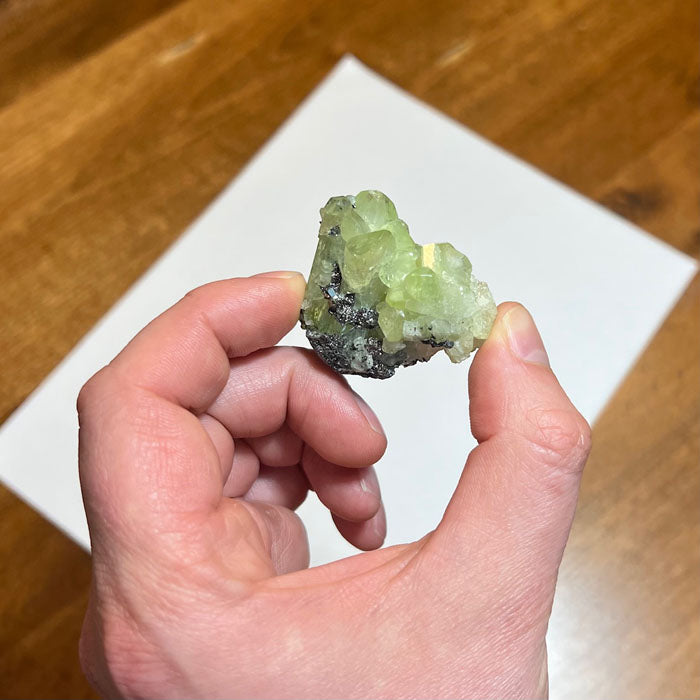
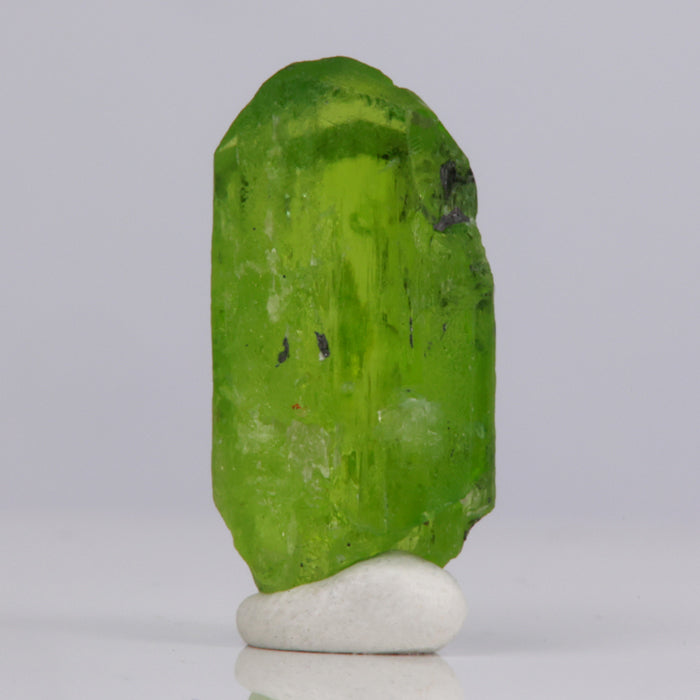
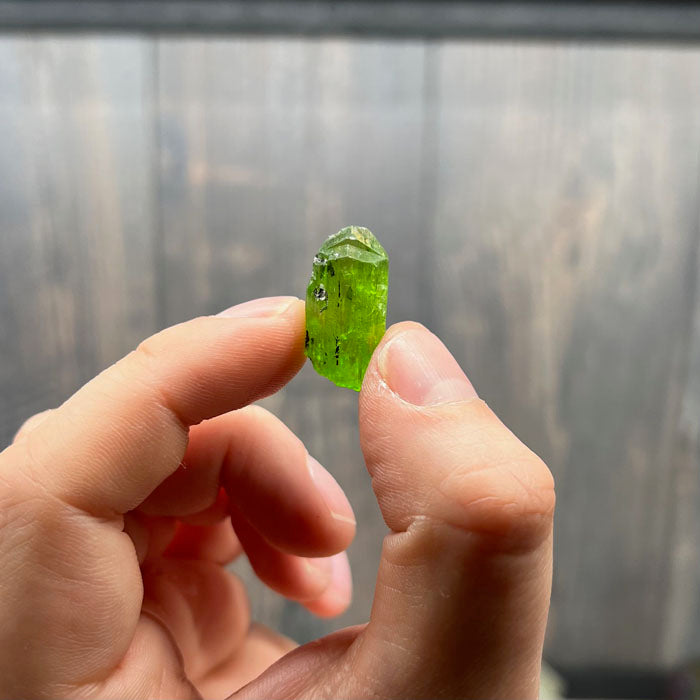
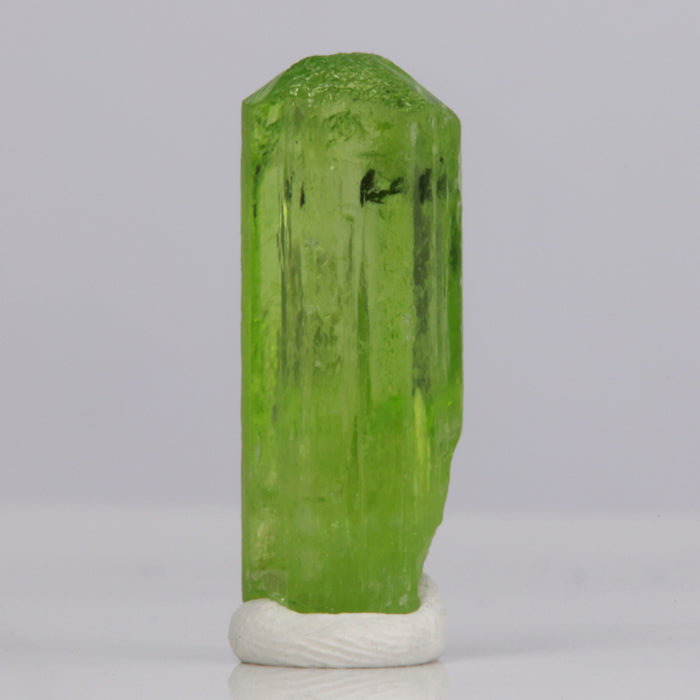
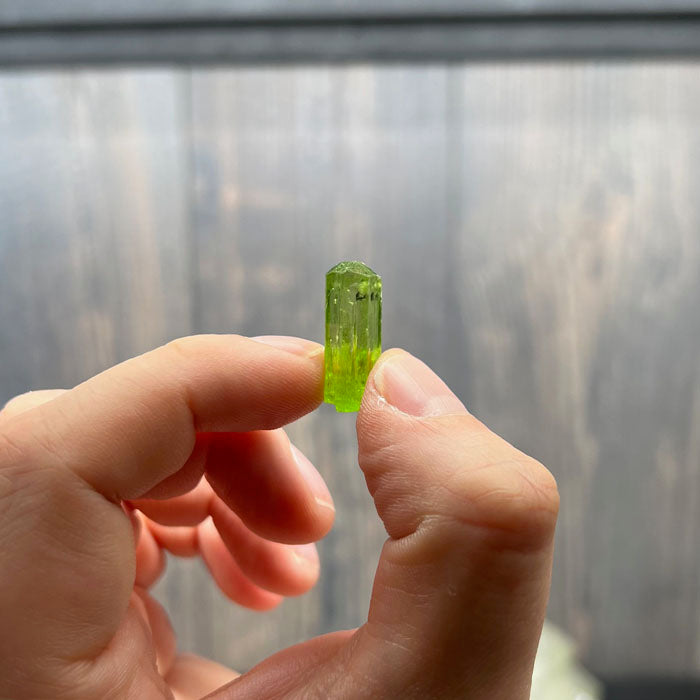
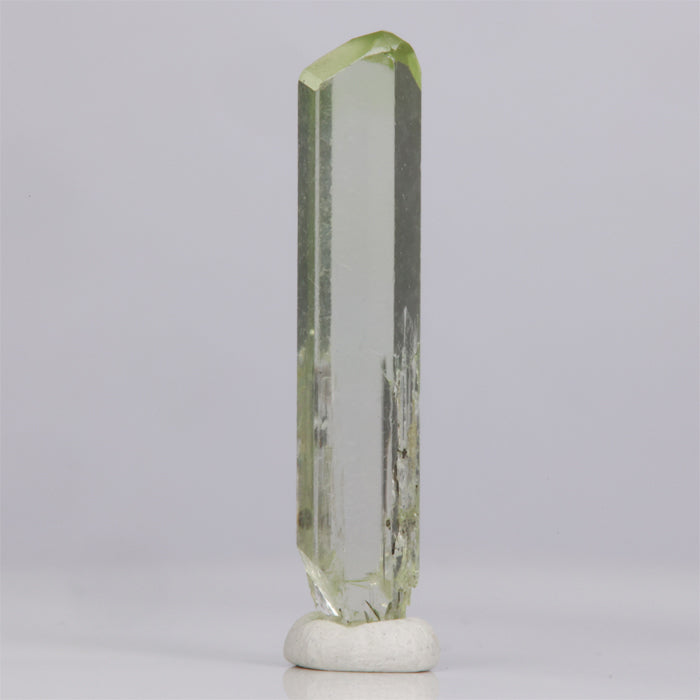
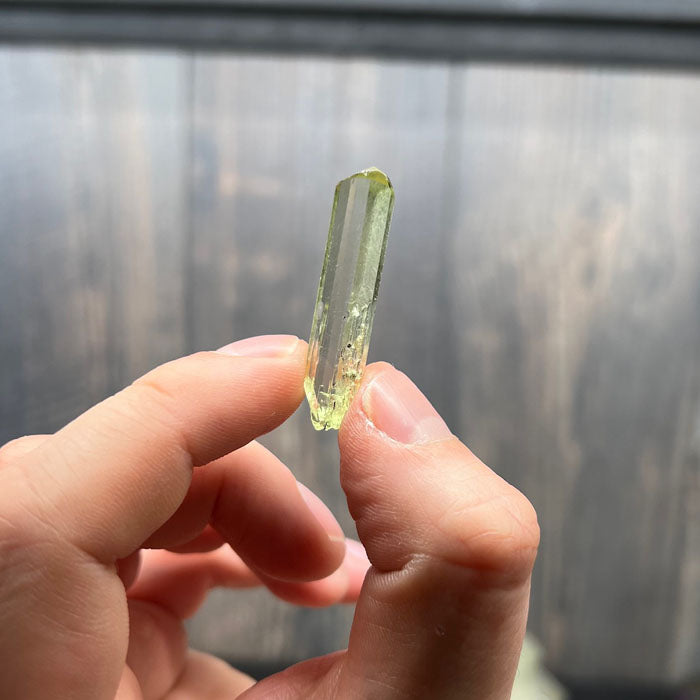
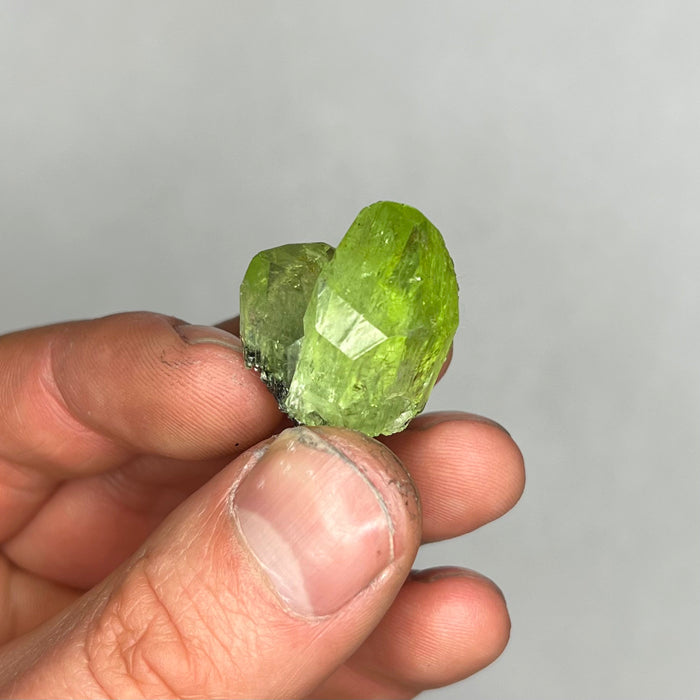
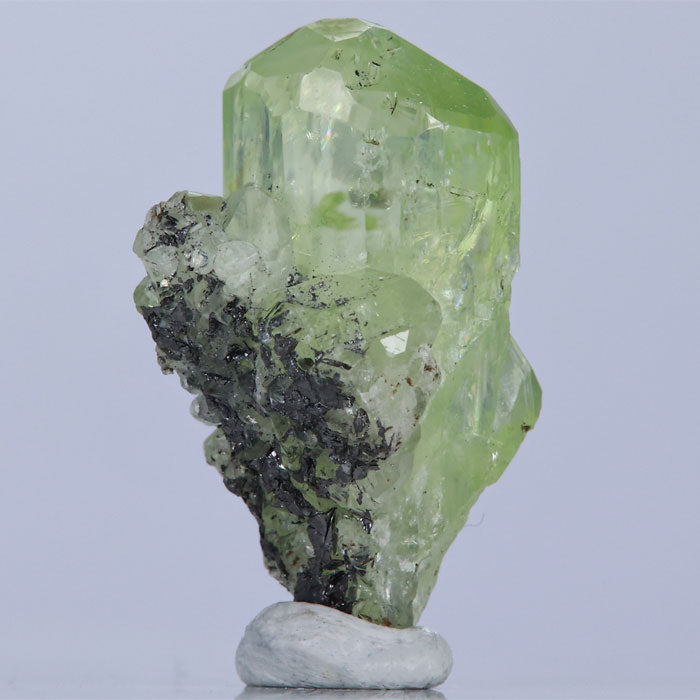
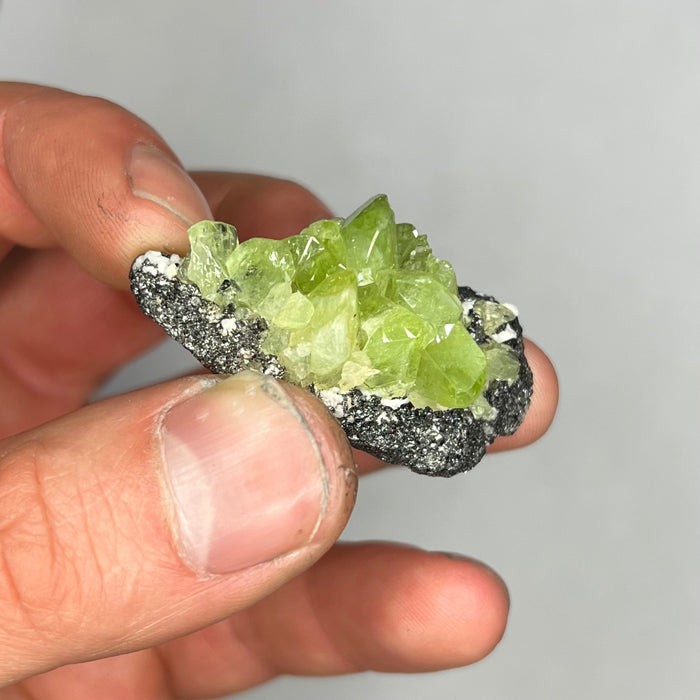
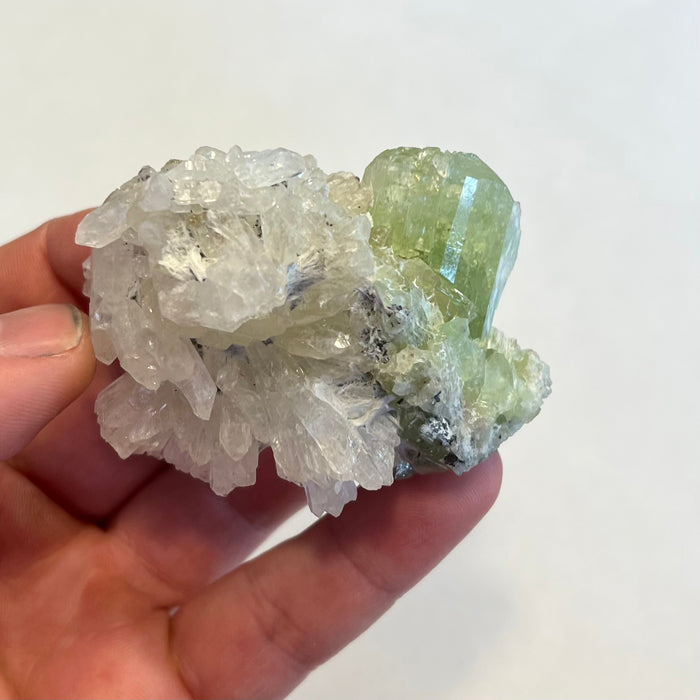
Diopside is a calcium magnesium silicate mineral that forms in the monoclinic crystal system, typically growing in elongated prismatic crystals. It’s best known for its green color, and the material from Tanzania is especially unique, ranging from a light lime green all the way to a really intense, vivid lime green that stands out right away.
Diopside crystals and gem rough are found in several locations around the world, but Tanzanian diopside has become popular for its bright, clean color and attractive crystal structure. It commonly forms in metamorphic environments, and is found as individual crystals, small clusters, and gemmy rough, with some pieces being clean enough for facet rough or custom jewelry use.
Diopside belongs to the silicate mineral class, specifically part of the pyroxene group, with a chemical formula of CaMgSi₂O₆. Its color is typically caused by trace elements within the crystal structure, giving it that distinct lime green appearance. A lot of the material you’ll see here has nice clarity, strong color, and clean crystal formation, which makes it appealing to collectors.
*Diopside is a bit softer than some other gemstones, so care should be taken to avoid scratching or hard impacts, especially with finer crystal pieces.
Other notable information on Diopside
Refractive index: 1.66–1.72
(refractive index or index of refraction of a material is a dimensionless number that describes how light propagates through that medium)
Specific gravity: 3.2–3.4
(specific gravity is the ratio of the density of a substance to the density of a reference substance; equivalently, it is the ratio of the mass of a substance to the mass of a reference substance for the same given volume)
Moh’s scale: 5.5–6.5
(scale of hardness running from 1 to 10 using a series of reference minerals; position on scale depends on the ability to scratch minerals rated lower)